
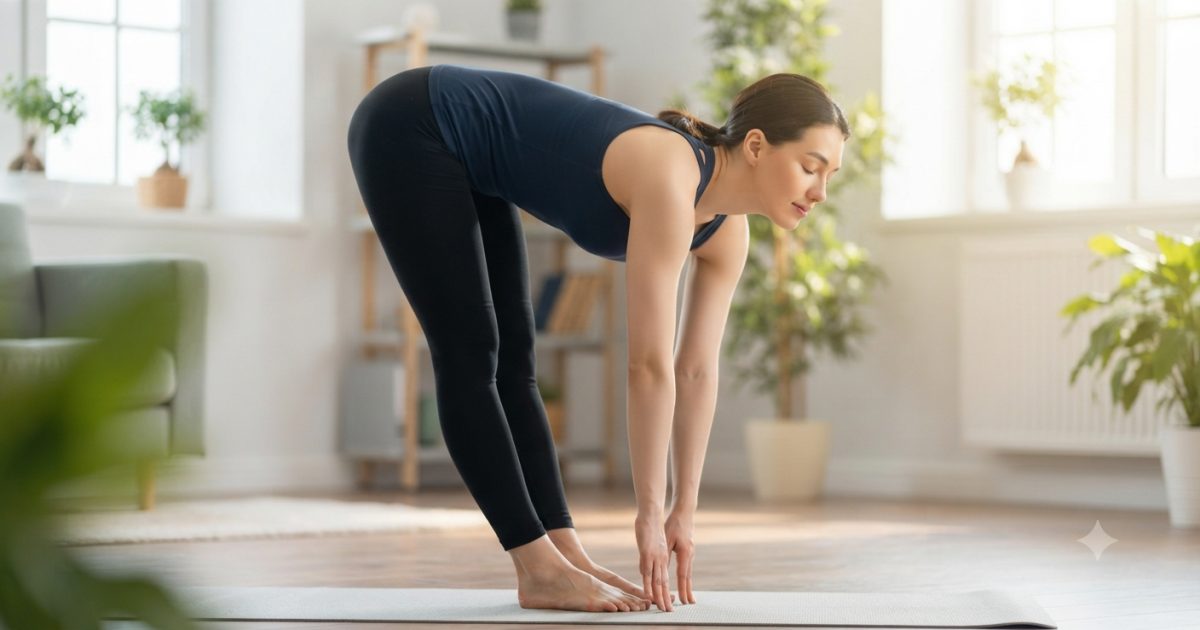
In today's fast-paced world, where many of us spend hours sitting at a computer or, conversely, unilaterally stressing our bodies during sports, we often forget one crucial thing – stretching. Many perceive it only as an annoying obligation before training or an unnecessary "bonus" that can be skipped. The truth, however, is that regular stretching is a fundamental building block for pain-free movement, long-term fitness, and overall vitality of the organism.
How Does Stretching Benefit Our Body?
Stretching is not just for professional athletes or acrobats. It is a natural care for the musculoskeletal system that brings a whole range of scientifically proven benefits:
- Improvement and Maintenance of Range of Motion: With age and a sedentary lifestyle, muscles and tendons naturally shorten their fibers. Regular stretching restores full mobility to joints and muscles, making everyday activities easier – from tying shoes to lifting weights.
- Protection Against Injury: Stiff muscles are more prone to tears and overloads. Flexible muscle tissue can better absorb impacts and react more easily to unexpected movements, significantly reducing the risk of muscle cramps, strains, or tendonitis.
- Pain Relief and Better Posture: Long periods of sitting cause imbalances – some muscles weaken (e.g., the deep stabilizing system and glutes), while others are constantly overloaded and shortened (lumbar muscles, pectoral muscles, hip flexors). Targeted stretching helps balance tension in the body, relieves chronic back, neck, and head pain, and naturally corrects poor posture.
- Improved Blood Circulation and Regeneration: Smooth stretching promotes blood flow to muscles and joints, which accelerates the supply of oxygen and nutrients and, conversely, helps effectively flush out metabolic waste after physical exertion. This allows muscles to regenerate faster and hurt less.
- Stress Reduction and Mental Well-being: Muscle tension and psychological stress go hand in hand. During stretching, we focus on deep, conscious breathing, thereby sending a signal to the nervous system that it is safe to relax. Regular exercise thus helps reduce the level of stress hormones and induces a feeling of mental well-being.
Why is Regularity Key?
The body adapts to what we do most often. If we only remember to stretch once a month, our muscles will only register a momentary shock without a lasting effect.
- Building Muscle Memory and Elasticity: Connective tissue (fascia) and muscle fibers need a long-term and repeated impulse for their structure to adapt and permanently increase their flexibility.
- Prevention of Chronic Stiffness: If we sit eight hours a day, muscles shorten every day. Regular (ideally daily or at least several times a week) stretching acts as a daily "reset" that erases the negative effects of static load.
How to Do It Correctly?
For stretching to have the right effect, it is good to follow a few principles:
- Do not confuse dynamic and static stretching: Dynamic stretching (swinging and circular movements through the full range) belongs before training or physical activity, when muscles need to be warmed up and prepared for performance. Static stretching (holding a stretch position for 20 to 30 seconds) belongs after activity or as a separate moment for relaxation, when muscles are already warm and ready to lengthen.
- Never go through sharp pain: Stretching should feel like a pleasant pull, not a stabbing or cutting pain. Overstretching muscles leads to their defensive contraction (the so-called myotatic reflex), which has the exact opposite effect.
- Do not hold your breath: Deep abdominal breathing helps muscles relax and oxygenate.
Conclusion: Investing a few minutes a day in stretching your whole body will pay off many times over in the form of easier movement, less fatigue, and robust health. You don't have to spend hours on yoga right away – just start with a short ten-minute routine every morning or evening after work. Your body will thank you for this care.